Empowering Seniors to Engage in Regular Exercise Through Evidence-Based Fitness Guidelines
Wiki Article
Remaining physically engaged is important for individuals of all ages, but it turns especially important as people grow older. For elders, consistent physical activity assists in maintaining self-reliance, enhances movement, and improves overall well-being. Well-rounded fitness plans deliver seniors with structured methods to physical health that cover balance, range of motion, strength, and resilience. By adhering to well-designed fitness programs, seniors can improve their well-being while lowering the likelihood of falls, long-term illnesses, and emotional difficulties.
Exercise for seniors is not confined to intense training sessions or heavy gym workouts. It concentrates instead on safe, consistent, and sustainable activity that fits personal fitness conditions. Activities such as walking, flexibility drills, chair yoga, and light resistance training assist maintaining range of motion and strength. Aerobic workouts like water fitness or stationary cycling enhance heart health, which are key for maintaining daily energy and vitality. These physical practices also enhance mental function, as research have shown that consistent activity can improve mental clarity, mood, and cognitive function.
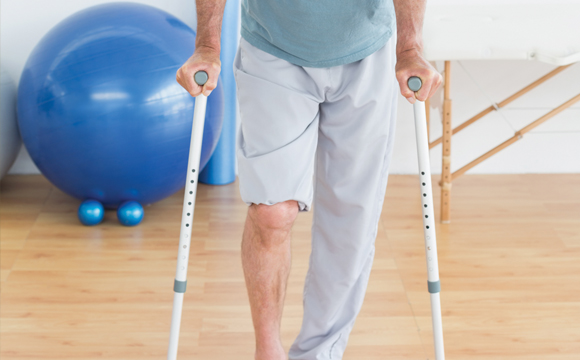
Thorough training plans prioritize a well-rounded strategy to wellness, covering muscular, psychological, and social factors of lifestyle. Seniors are encouraged to ease in and advance at a steady rate, ensuring Web Site security while preventing fatigue. Incorporating pre- and post-exercise stretches reduces muscle soreness, while appropriate hydration and diet support physical activity. Additionally, community-based programs—such as senior workout groups or fitness meetups—offer avenues for companionship, encouragement, and well-being, which are crucial to overall health.
Professional guidance serves a key part in helping seniors develop personalized fitness programs. Seeking advice from physicians, rehabilitation specialists, or exercise professionals verifies that programs are aligned to individual health conditions, physical capabilities, and objectives. These professionals can suggest appropriate exercise formats that address issues such as mobility concerns, osteoporosis, or cardiovascular limitations. Through consistent evaluation and adjustment, exercise plans remain effective and motivating, supporting long-term engagement and achievement.
Overall, motivating elders to participate in wellness through structured fitness frameworks builds a community of healthy living. When participants are equipped with understanding, click this confidence, and organized systems, they develop assurance in their strength and appreciate greater autonomy. Consistent movement improves not only muscle capacity but also focus and well-being. By supporting accessible, professionally structured exercise plans, communities can help that every senior has the opportunity to enjoy a healthy, active, and fulfilling journey.